A tree that is leaning, dropping limbs, or crowding your yard can turn from annoying to unsafe fast. If you have a tree that blocks light, threatens a roofline, presses against hardscape, or keeps shedding dead wood, tree removal may be the next practical step.
Trett Landscaping | Phoenix Tree Stump Removal handles Tree Removal across Phoenix with careful planning, clear cleanup, and attention to the space you want to reclaim. We look at the tree condition, the surrounding area, and the reason for removal, then recommend the cleanest way to clear it.
Not every tree needs to come down, but some trees are too compromised, too crowded, or too difficult to keep safely. A removal decision is often made after a close look at what the tree is doing now and what it is likely to do next.
We also evaluate whether trimming, pruning, or disease management could solve the problem first. If removal is the right move, we explain the process and what the yard will need afterward.
Many homeowners wait until a tree looks obviously failing, but several earlier signs can point to trouble. Watching for these changes can help you decide whether to schedule an assessment before the situation gets worse.
If a tree is showing more than one of these signs, it is worth having it reviewed before the next round of growth, heat stress, or heavy wind puts more pressure on it.
Tree removal is not a one-step job. It takes planning so the tree comes down without causing avoidable damage to nearby landscaping, irrigation parts, pavers, fences, or structures.
We start by looking at the tree, the access around it, and what sits nearby. That includes overhead clearance, the lay of the ground, and any nearby items that could affect the work.
Depending on tree size and placement, removal may involve sectioning the tree carefully rather than bringing it down all at once. That approach helps reduce risk to the surrounding property.
After the tree is removed, the area is cleared so you can decide what comes next. Some properties move straight to stump grinding, replanting, irrigation changes, or landscape design.
Phoenix Tree Stump Removal by Trett Landscaping keeps the process focused on the final result you want: a safer, cleaner, more usable outdoor area.
Tree removal needs vary from property to property. Some trees are straightforward, while others require extra care because of position, size, or condition.
Some trees are removed because they are causing repeated maintenance problems. Others are taken out because they are blocking a new layout or making a space feel cramped and difficult to use.
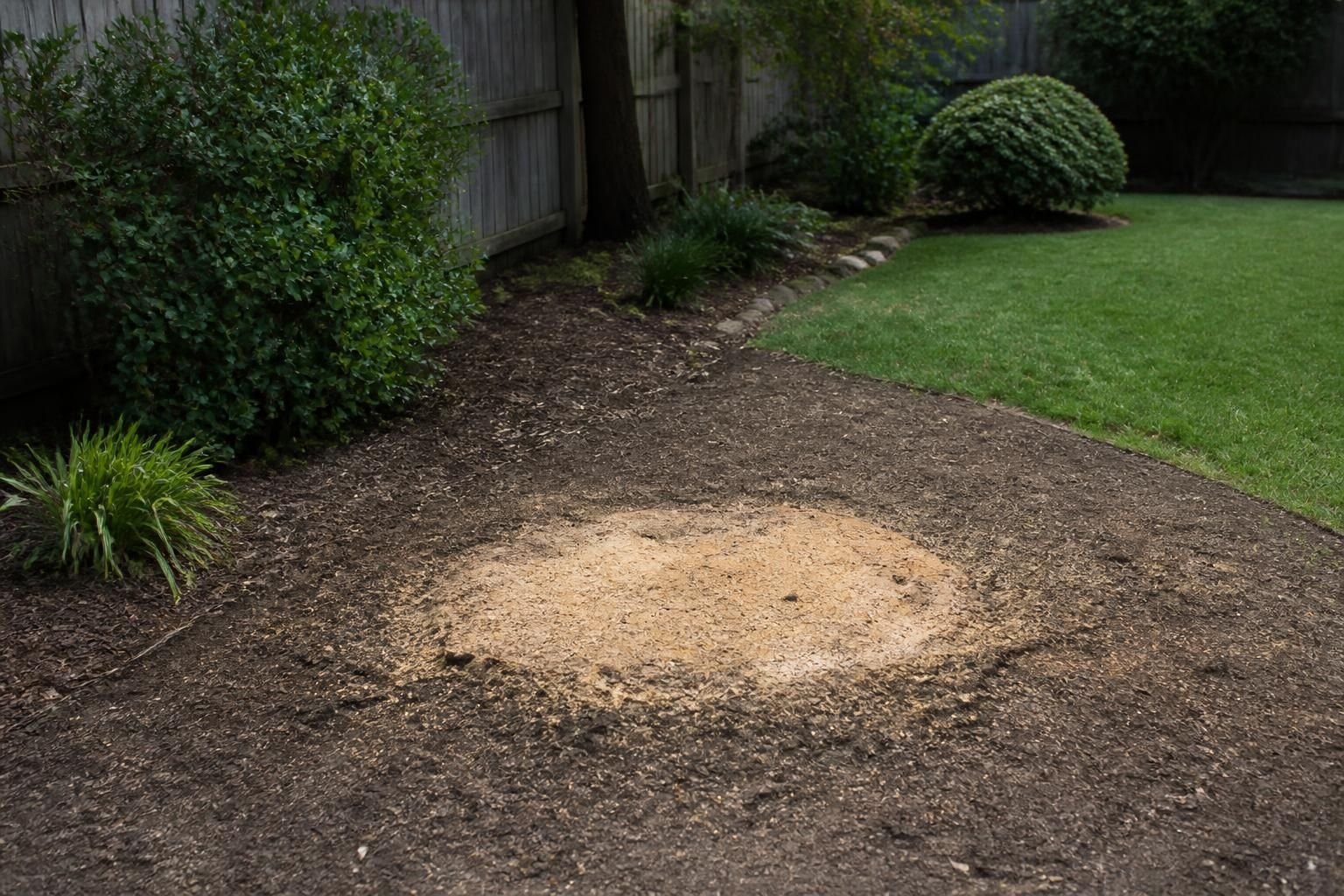
Once a tree is removed, the remaining stump and root area need attention before the space can be used well again. Leaving that area untouched can create a trip point, attract pests, or make future landscaping harder.
We can help you think through the next move for the cleared spot. Common next steps include stump grinding, stump removal, leveling the area, tree planting services, paver installation, sprinkler repair, irrigation installation, or landscape design services.
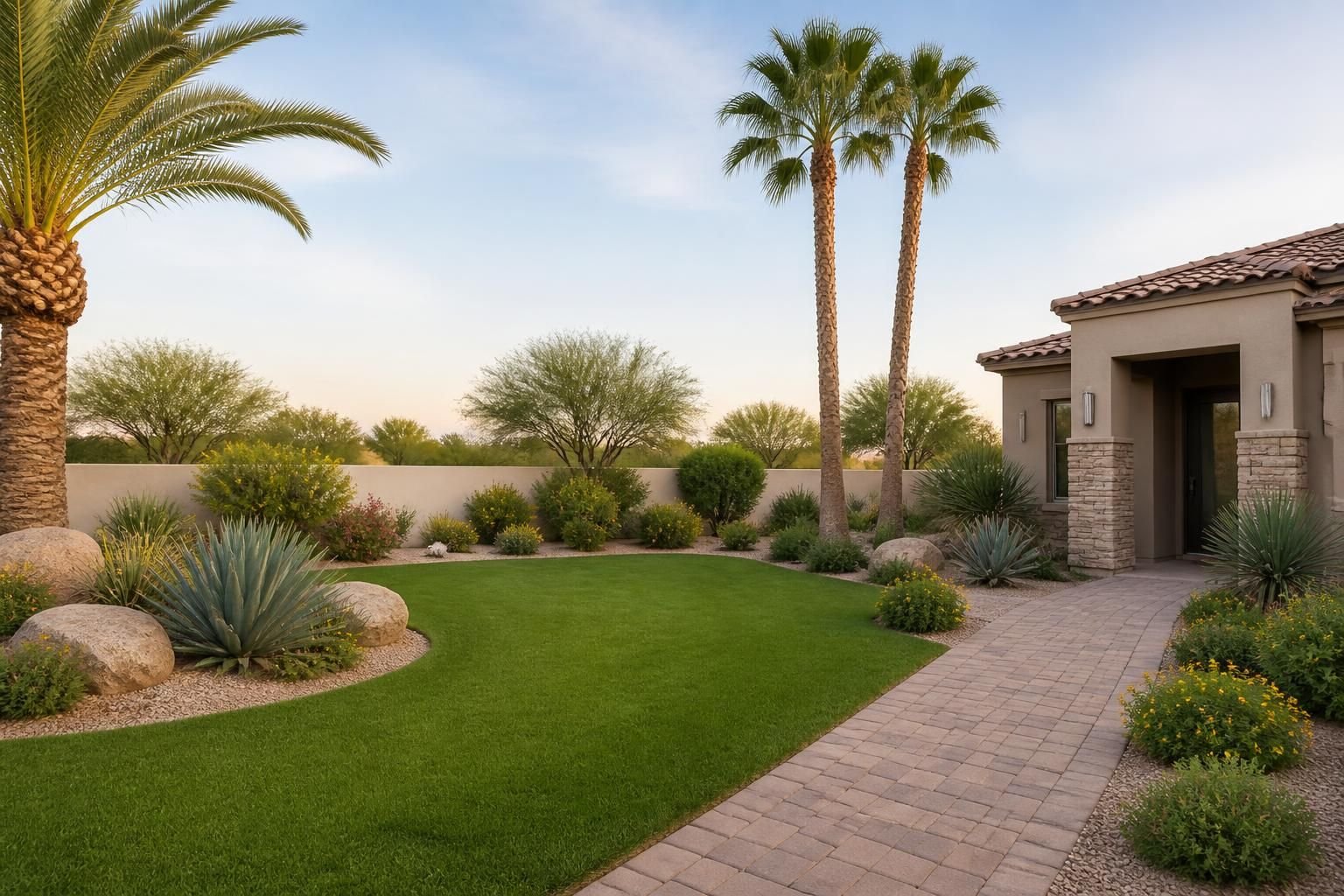
A cleared tree site can become open lawn, a planting bed, a path, or a better-fitting part of your landscape plan. The right follow-up depends on how you want the property to work.
If irrigation lines, sprinkler heads, or nearby pavers are part of the area, those details matter before and after the removal. Careful planning helps keep the rest of the yard ready for its next use.
Tree care choices near Phoenix often come down to stress, growth pattern, placement, and how much support a tree still has. A tree that once fit the yard can become a problem if it starts declining or outgrows its space.
Because Trett Landscaping works with Phoenix trees and Arizona desert landscapes, we pay attention to the signs that matter most to local property owners. That includes whether the tree should be kept, trimmed, treated, or removed so the property stays safer and easier to maintain.
We also consider what the removal means for the rest of the landscape. A tree rarely exists alone. It affects shade, irrigation coverage, surface roots, nearby plants, and how the outdoor area feels overall.
Removal is one option among several. The right choice depends on whether the tree can still serve the property without creating new problems.
When removal is the right answer, we keep the recommendation direct so you are not left managing a tree that is already past the point of useful recovery.
Homeowners often want to know how the job will feel from start to finish. Our approach is to keep the steps clear and the property disruption limited to what is needed for the work itself.
That process helps keep the project focused and makes it easier to move from an unsafe or unwanted tree to a cleaner outdoor space.
Look for repeated dead branches, lean, trunk damage, visible decay, or a tree that keeps declining despite care. A review can help confirm whether removal is the right next step.
Yes. We evaluate the area around the tree so the removal plan accounts for nearby plants, hardscape, and irrigation components.
It often should. Stump grinding or stump removal helps clear the remaining base so the space is safer and easier to reuse.
Alive trees can still need removal if they are badly placed, structurally weak, or creating ongoing site conflicts that trimming cannot solve.
Yes. Removing the right tree can open space for planting, paver installation, irrigation changes, or a new landscape design.
Yes. Trett Landscaping serves Phoenix and surrounding Phoenix Metro communities, along with nearby areas such as Glendale, Peoria, Scottsdale, Tempe, and more.
If a tree on your property has become unsafe, overcrowded, or no longer fits the space, it is worth getting a clear answer before the problem grows. Tree Removal is often the first step toward a cleaner and more usable yard.
Call +16237385590 to talk through your tree and the condition of the site. Trett Landscaping | Phoenix Tree Stump Removal serves Phoenix from 2302 W Diana Ave, Phoenix, AZ 85021, USA, with tree care solutions that can move your property forward.
Talk to Our Team
Share what is happening on your property, and we will help you choose the right arborist, stump removal, irrigation, or landscape service for your space.