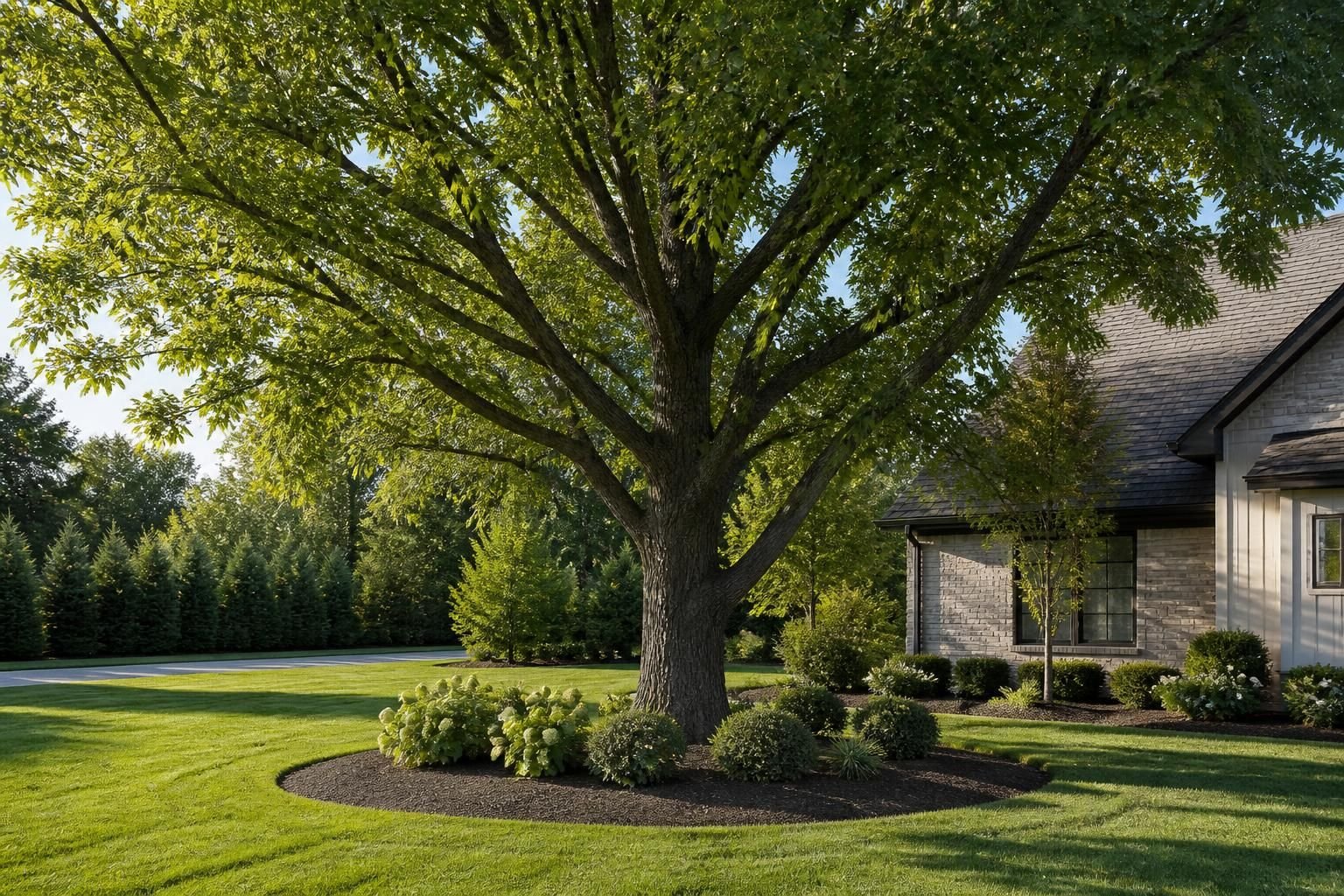
Seeing dead limbs, thinning foliage, leaning growth, or bark that looks stressed can leave you wondering whether a tree can be saved or needs removal. If you are weighing that decision, Trett Landscaping | Phoenix Tree Stump Removal can evaluate the tree, explain what the signs mean, and help you choose the next step with confidence.
Our certified arborist services focus on tree condition, safety, and long-term care for Phoenix properties. We assess visible symptoms, look for structural concerns, and recommend practical solutions such as trimming, pruning, removal, stump grinding, pest management, or planting when a tree needs a fresh start.
A tree can look fine from a distance while showing stress up close. Our certified arborist service starts with a detailed look at the tree itself and the conditions around it so the recommendation fits the actual problem, not a guess.
Phoenix Tree Stump Removal by Trett Landscaping evaluates what the tree is showing now, then explains what may happen next if nothing changes. That matters when you are dealing with a valued shade tree, a palm that has grown messy, or a tree that is starting to pose a hazard.
We also consider what the tree is doing to the rest of the property. A tree may block walkways, crowd a roofline, interfere with visibility, or shed limbs where people and vehicles pass. Arborist guidance helps you address the cause instead of only reacting to the symptom.
Tree problems often develop slowly. The sooner you notice the warning signs, the more options you usually have. If something about a tree looks off, an arborist visit can clarify whether the issue is manageable or whether removal makes more sense.
Tree stress can show up as patchy foliage, scorched-looking leaves, limp branches, or a canopy that looks thinner than it used to. In Phoenix, heat, dry soil, and watering imbalance can all play a role, so the same symptom may have more than one cause.
Some trees develop weak branching, heavy leaning, or splitting at key points. These issues matter because they can affect how the tree responds to wind, weight, or seasonal growth. A close evaluation helps identify whether pruning can reduce the strain or whether the structure is too compromised.
Visible decay, pest activity, dead sections, and dieback often point to a tree that needs attention. Tree disease and pest management can sometimes help slow damage, but the first step is understanding how far the decline has progressed.
Certified arborist services should leave you with clear answers, not confusion. We keep the process direct so you can understand what is happening and what the recommended fix will accomplish.
This process is useful whether you are trying to preserve a tree or deciding it has become too risky to keep. Either way, the goal is a cleaner answer and a better result for the property.
One of the biggest decisions a property owner faces is whether a tree should be pruned or removed. Arborist guidance helps separate a tree that needs corrective care from one that has reached the point where removal is the safer route.
Tree trimming and pruning can improve clearance, reduce weight on heavy limbs, remove deadwood, and shape the canopy for a cleaner appearance. This can be useful for overgrown trees, low-hanging branches, or trees that need a lighter, more balanced structure.
Tree removal may be the better option when a tree is dead, badly damaged, leaning too far, badly diseased, or no longer suited to the space. If the tree cannot be brought back to a safer condition, removing it may protect the property and open the area for a better use.
We explain the difference clearly so you are not left guessing why one option was recommended over another.
Trees across Phoenix need attention for more than one reason. The local environment can put pressure on tree health, root development, and watering consistency. That is why a standard guess is rarely enough.
Arborist service can help with issues such as:
Because trees are part of the whole landscape, the arborist perspective works best when it also considers irrigation, planting, and the condition of the surrounding ground. That is one reason our recommendations often connect tree care with broader yard improvements.
Some tree issues are tied to the rest of the property. If the landscape needs a larger reset, we can support that too. Trett Landscaping | Phoenix Tree Stump Removal provides services that help the property look cleaner and work better once the tree decision has been made.
That may include stump grinding or stump removal after a tree comes out, sprinkler repair when watering has been uneven, irrigation and sprinkler installation for better coverage, paver installation for a more usable space, or landscape design services when you want to reshape the area with purpose.
Common ways arborist guidance connects to the next project:
These services work well together because they solve both the plant issue and the space issue.
Our certified arborist services are available across Phoenix and surrounding communities, including Glendale, Peoria, Scottsdale, Tempe, Avondale, Goodyear, Surprise, Paradise Valley, Cave Creek, Carefree, and New River. If your property is part of the Phoenix Metro area, we can help assess the condition of your trees and explain the right next step.
If you are unsure whether a tree should be saved, shaped, or removed, an arborist review is the cleanest place to start. A closer look can turn uncertainty into a practical plan for your yard.
A certified arborist checks tree health, branch structure, trunk condition, leaf symptoms, and site factors that may be affecting the tree. The goal is to understand why the tree looks stressed and what can be done about it.
Yes. A tree can still have foliage and yet show signs of stress, disease, or structural weakness. Early evaluation helps determine whether pruning, watering changes, pest management, or removal is the better path.
Pruning may be enough when the issue is limited to dead limbs, crowding, clearance, or an unbalanced canopy. If the trunk, roots, or overall structure are failing, pruning alone may not solve the problem.
Palms have different needs, but they still benefit from professional evaluation. Palm tree trimming can improve appearance and safety while removing old fronds that create clutter or hanging hazards.
That can matter a lot. Poor irrigation or uneven coverage can stress trees and nearby landscape plants. We can review the tree condition along with sprinkler repair or irrigation installation needs.
Yes. Tree planting services work better when the site is reviewed first. An arborist can help with tree selection, placement, and the conditions the new tree will face once planted.
If you need help deciding what a tree really needs, Trett Landscaping | Phoenix Tree Stump Removal can provide clear arborist guidance for your Phoenix property and help you move forward with the right service.

Talk to Our Team
Share what is happening on your property, and we will help you choose the right arborist, stump removal, irrigation, or landscape service for your space.