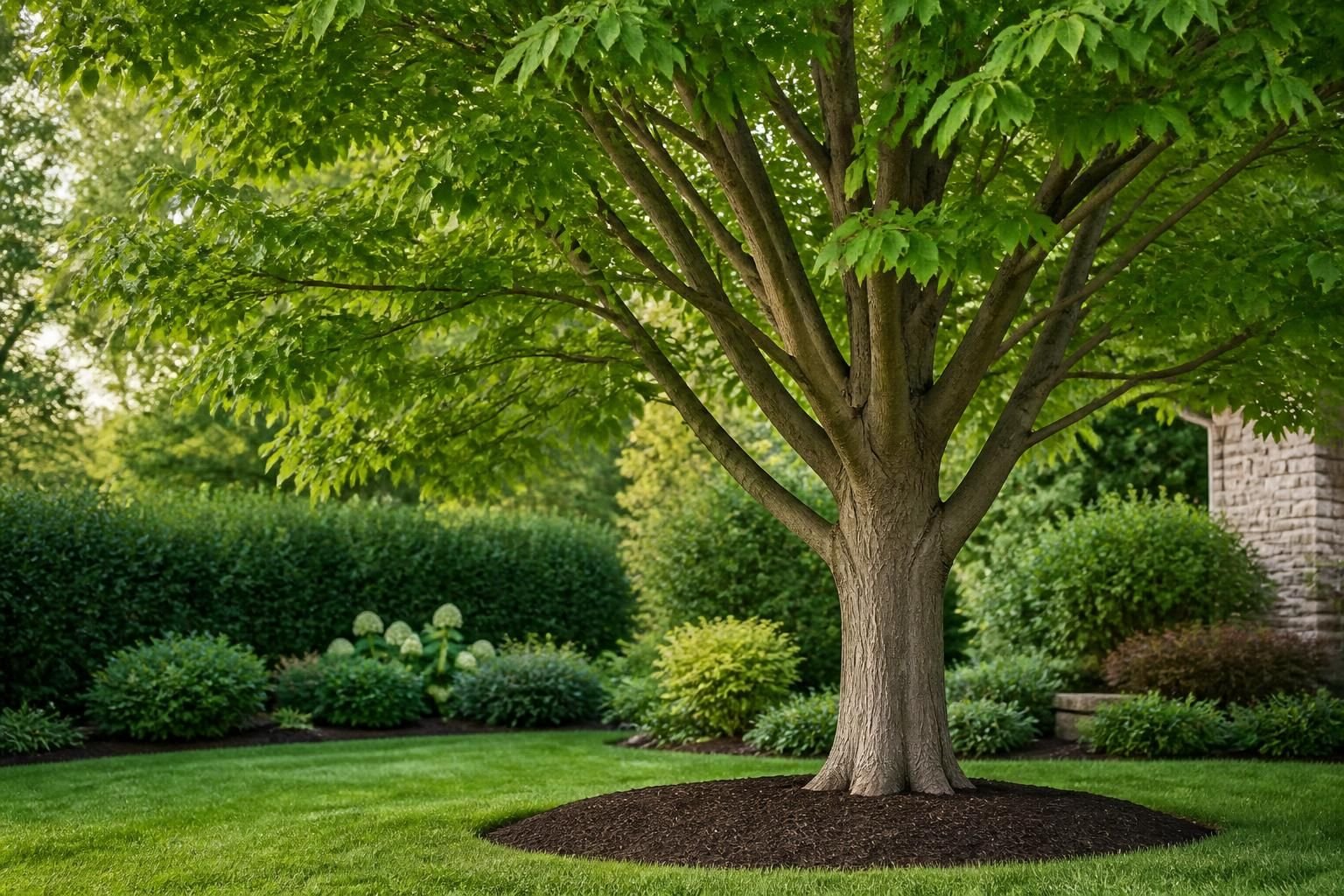
Your tree may still look standing and green, yet something could be off. Leaves may thin out, branches may die back, bark may crack, or one side may start leaning more than it used to. Those are the kinds of changes that deserve a closer look before a small concern turns into a larger loss.
If you are noticing stress, odd growth, dead limbs, pest activity, or watering problems around your Phoenix property, Trett Landscaping | Phoenix Tree Stump Removal can evaluate the tree and help you understand what is happening next. We look for signs of decline, structural weakness, drought stress, disease, pests, and irrigation concerns so you can make a better decision about trimming, treatment, removal, or planting.
A tree health evaluation is more than a quick glance from the curb. We inspect the tree’s visible condition, growth pattern, canopy density, limb structure, and surrounding site conditions. The goal is to identify what the tree is telling you before the symptoms become harder to ignore.
During a visit, we may assess:
At Phoenix Tree Stump Removal, evaluations are meant to help property owners act early, not guess after visible decline has already spread.
Many homeowners start by noticing one small change and then realize the tree has been struggling for a while. If you spot any of the signs below, a tree health evaluation can help you understand the cause.
Leaves that are sparse, discolored, curled, dropped early, or smaller than usual can point to stress. Sometimes the issue is water related. Sometimes it is pest activity, root trouble, or disease. The visible symptom matters, but the cause is what needs attention.
Dead tips, brittle limbs, and sections that fail to leaf out can show up long before the whole tree looks sick. Branch decline can also create safety concerns when limbs hang over patios, driveways, roofs, or paths.
Cracks, peeling bark, cavities, or soft spots may signal structural weakness or disease. These signs do not always mean the tree must come down, but they do mean a closer evaluation is smart.
Leaning, lopsided growth, heavy canopy weight on one side, or shoots growing from the trunk can indicate stress or instability. These conditions deserve attention before monsoon season or high winds make matters worse.
Tree health evaluations should give you useful answers, not guesswork. Our process is straightforward and focused on what the tree needs right now.
We look at the tree, nearby structures, and the surrounding landscape to understand the full picture.
We check the canopy, trunk, branches, and root-zone area for visible signs of damage, stress, pests, or disease.
We identify what appears manageable, what should be watched, and what may call for pruning, removal, or irrigation changes.
We explain the findings in plain language so you can decide on the next step with confidence.
This kind of evaluation is useful for homeowners, property managers, and anyone who wants a healthier-looking landscape with fewer surprises.
Phoenix trees can show stress for several reasons, and the symptoms often overlap. That is why a careful review matters. A tree that looks dry may actually have a root problem. A tree with dead branches may also be dealing with pests or a watering imbalance.
Too little water can leave a tree stressed and thin. Too much water, or poor irrigation coverage, can also cause decline by affecting root health. We evaluate whether sprinkler repair or irrigation adjustments may help support the tree.
Visible insect activity, leaf damage, and dieback can point to pest pressure. Spreading disease can also affect a tree’s structure and long-term condition. Early identification helps you respond before damage becomes widespread.
Storm breakage, bad pruning cuts, and impacts from yard work or construction can create weak points. Those areas often need attention because they can invite decline or create safety concerns later.
Once we understand the tree’s condition, we talk through the practical next step. That may mean pruning to remove dead limbs, a plan for tree disease and pest management, irrigation adjustments, or tree removal if the tree is no longer a sound candidate for recovery.
Depending on what we find, the outcome may include:
We keep the focus on what helps the site move forward, whether that means preserving the tree or clearing the space for a better use.
You do not need to wait until a tree looks nearly gone. A tree health evaluation can be useful when you notice a change that does not seem normal for that tree or season. It can also be helpful after pruning, after visible pest activity, or before planning larger landscape work.
Many Phoenix property owners request an evaluation when they are trying to answer one of these questions:
A clear evaluation helps you avoid spending time on the wrong fix.
Tree health depends on more than the tree itself. Site conditions, irrigation, pruning history, and the way a tree has adapted to the Phoenix climate all shape what is happening above and below the canopy. That is why a local review can be so helpful.
Trett Landscaping | Phoenix Tree Stump Removal has worked with Phoenix trees and Arizona desert landscapes for over 40 years. That experience matters when a tree’s symptoms could be caused by stress, pests, poor coverage, soil conditions, or structural decline. We use that background to help you sort out what looks cosmetic, what looks serious, and what should be addressed now.
For many property owners, the biggest value is clarity. You get a better sense of whether the tree needs pruning, watering correction, treatment, removal, or replacement. That makes it easier to plan your landscape with confidence.
We review visible signs of stress, canopy condition, limb structure, trunk concerns, pest activity, and site factors that may be affecting the tree’s condition.
Yes. We look at the tree’s structure and overall condition to determine whether pruning may help or whether removal is the more practical choice.
Yes. Irrigation and sprinkler concerns are often connected to tree stress, so we look for signs that watering coverage or delivery may be part of the problem.
We can identify visible signs of disease and pests and discuss the most sensible next step based on the tree’s condition.
Absolutely. If you are planning paver installation, planting, or other upgrades, a tree evaluation can help you decide what to keep, adjust, or remove first.
Yes. Palm tree trimming and palm condition issues can be reviewed as part of a broader tree care visit when palms are part of the property.
If a tree on your Phoenix property looks stressed, unstable, or just not like it used to, a tree health evaluation can give you a clear path forward. Trett Landscaping | Phoenix Tree Stump Removal serves Phoenix and surrounding Metro communities with arborist-focused tree care, stump grinding, irrigation solutions, and landscape services that support safer, cleaner outdoor spaces.
Call +16237385590 to discuss your tree concerns and schedule a visit. We are available Monday through Saturday, 7:00 AM to 8:00 PM, from our Phoenix location at 2302 W Diana Ave, Phoenix, AZ 85021, USA.

Talk to Our Team
Share what is happening on your property, and we will help you choose the right arborist, stump removal, irrigation, or landscape service for your space.